1819
A captain with Free Lances
In Ivanhoe, the knight De Bracy says: I offered Richard the service of my Free Lances, and he refused them. Word historians find no earlier record.
Follow the word
THE STORY OF A WORD
1819 first in print
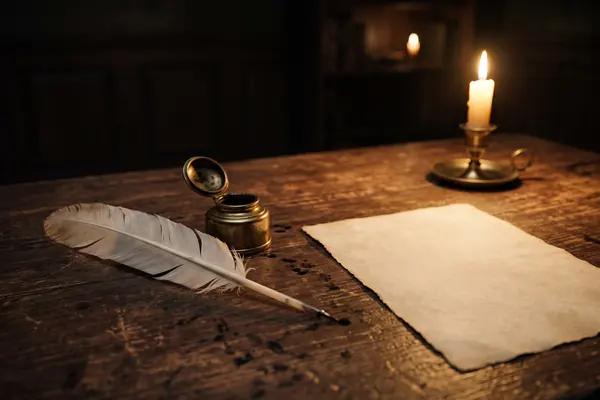
AI-generated image, not a photograph of a real person or place.
Freelancer began as fiction.
Walter Scott gave a hired knight a troop of Free Lances in Ivanhoe in 1819. Within eighty years the phrase had moved through politics, become a verb and turned into a job title.
THE SHORT ANSWER
The word is younger than it sounds.
It comes from a story about the Middle Ages, not from the Middle Ages.
1819
In Ivanhoe, the knight De Bracy says: I offered Richard the service of my Free Lances, and he refused them. Word historians find no earlier record.
Follow the wordTHE COINER
World Wide Words says Scott is the first recorded user of more than 700 words in the Oxford English Dictionary, including cold shoulder and lady-love.
See the numbersTODAY
GOV.UK says a person is self-employed if they run their business for themselves and take responsibility for its success or failure.
The modern signs
WHAT A FREELANCER LOOKS LIKE TODAY
GOV.UK lists signs that someone is probably self-employed. Most of them echo the old hired lance: you find the work, you set the terms, and nobody pays you when you stop.
Self-employed people put in bids or give quotes to get work.
They are not under direct supervision while they work.
They submit invoices for the work they have done and pay their own tax and National Insurance.
They do not get holiday or sick pay when they are not working.
TWO NUMBERS WORTH KNOWING
One figure on the man who coined the phrase,
one on how many people now work for themselves.
700+
Words first recorded with Scott in the OED
World Wide Words says only the Bible and Shakespeare are ahead of Scott as sources of first uses in the Oxford English Dictionary.
FIRST USES · WORLD WIDE WORDS
4.8million
Self-employed people in the UK, 2017
The ONS says the number rose from 3.3 million (12.0% of the labour force) in 2001 to 4.8 million (15.1%) in 2017.
UK SELF-EMPLOYED · ONS
The ONS found the rise came mostly from people working on their own or with a partner but no employees: 2.4 million in 2001 and 4.0 million in 2016.
FOLLOW THE WORD
Pick a date to see how freelance was being used. The bar shows how close that use is to today's meaning of someone who works for themselves.
Dates and quotations from Wordorigins.org and World Wide Words, both citing the Oxford English Dictionary and the original newspapers.
BEFORE THE FREE LANCES
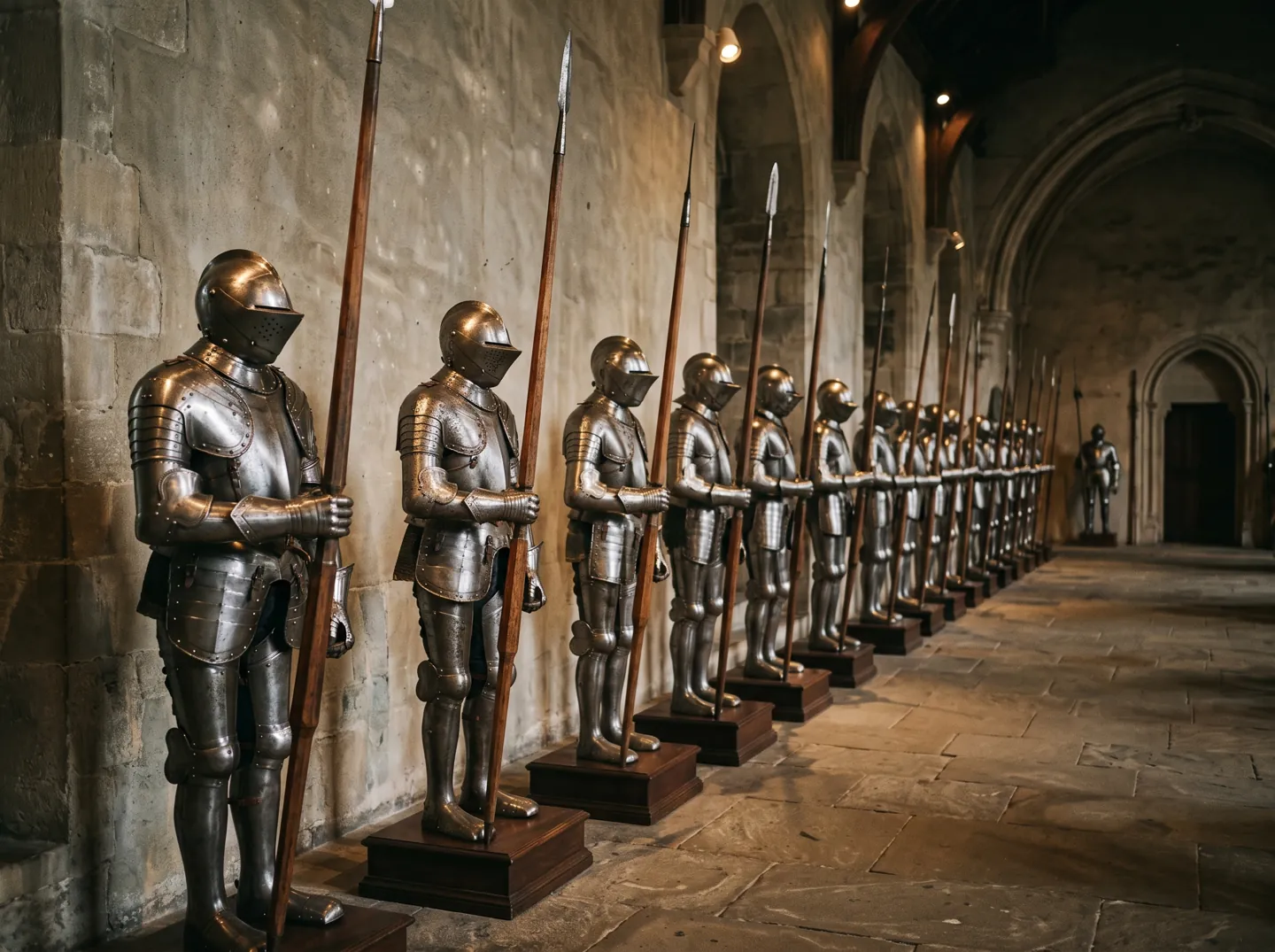
Scott did not invent the idea of hired bands. World Wide Words notes free company in English from 1676, probably older in French as compagnie franche, and free companion from 1804 in a translation of the chronicler Froissart.
Scott used free companions too, describing a leader of mercenaries attached for the time to any prince by whom they were paid. Wordorigins.org sums it up: like much of our picture of the Middle Ages, freelance is more fantasy than history.
In conversation
There were hired soldiers, called free companies or free companions. The word freelance itself is not recorded before Walter Scott used Free Lances in Ivanhoe in 1819.
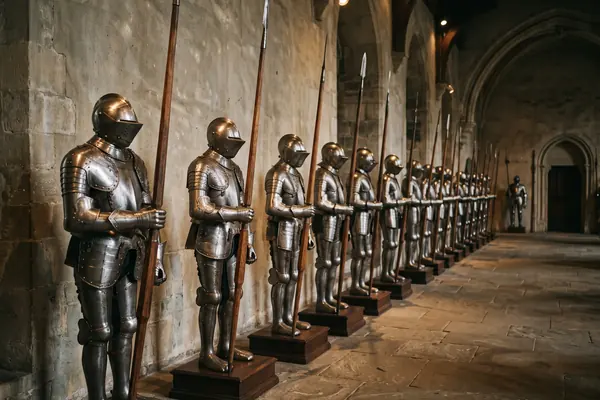
Unbound, not without cost. Scott's free lances were fighters who belonged to no lord and served whoever paid them.
By the end of the 19th century. Wordorigins.org cites a Sheffield newspaper of 8 August 1895, with the headline The Freelancer and the Opposition.
Freelancer is an everyday word, not a legal term. GOV.UK describes a self-employed person as someone who runs their business for themselves and takes responsibility for its success or failure.
GOV.UK says someone can be employed and self-employed at the same time, for example working for an employer by day and running their own business in the evenings.
Each figure on this page comes from the sources below.
ABOUT THIS NAME
doodlefreelancer.com is part of the DoodleSale portfolio. It isn't in an auction right now, but you can ask about leasing it.